
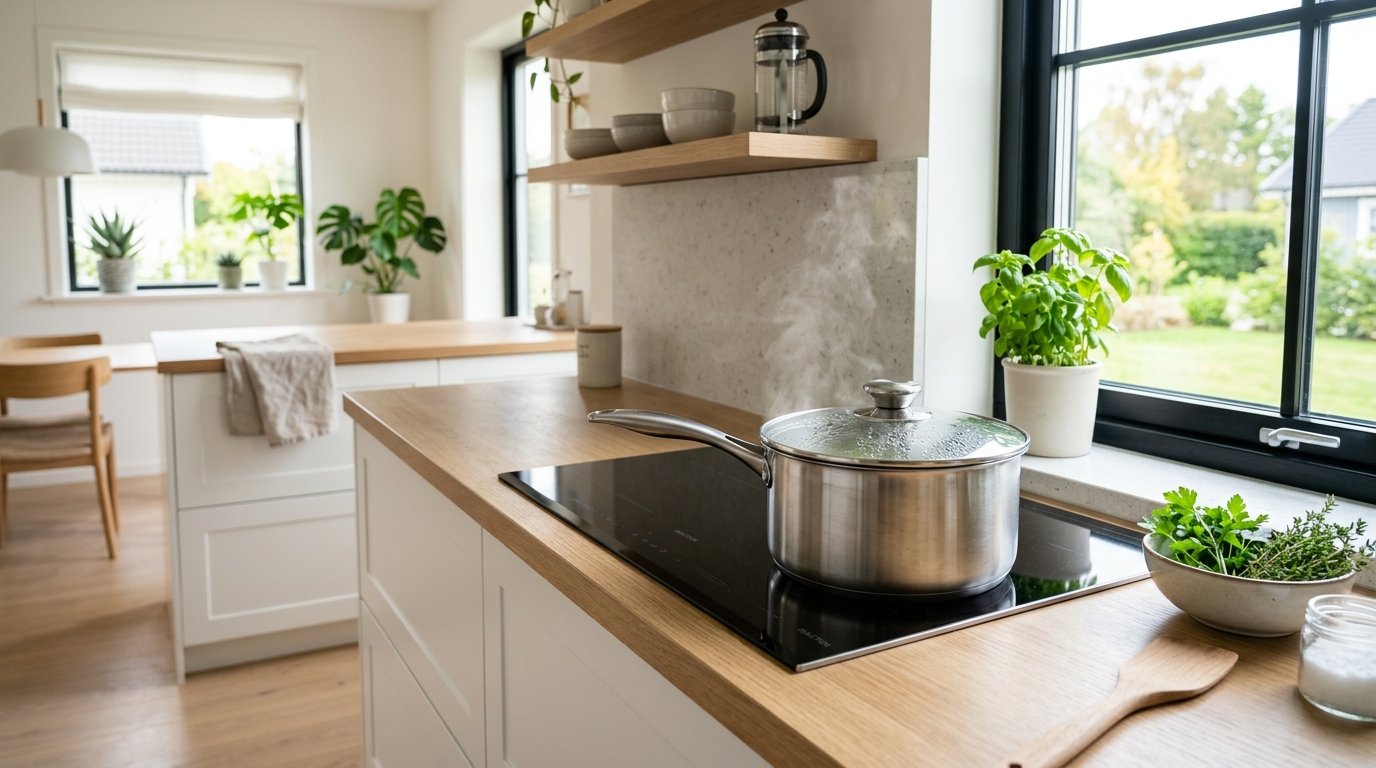
Running a kitchen consumes a massive share of a household’s total monthly utility electricity and gas. Adopting smart energy saving kitchen cooking tips allows you to dramatically lower energy bills, optimize appliance performance, and accelerate meal prep without sacrificing flavor or quality.
Small shifts in how you boil water, preheat ovens, and select cookware can compound into significant savings over time.
Key Takeaways
- Match Pot Size to Burner: Using a small pot on a large gas or electric burner wastes up to 40% of the generated heat around the sides.
- Always Use Lids: Covering pots and pans traps steam and heat, reducing cooking times by up to 25%.
- Leverage Residual Heat: Turn off electric burners or ovens a few minutes before food finishes cooking to utilize trapped thermal energy.
- Choose Efficient Appliances: Use toaster ovens, microwaves, or air fryers instead of full-sized wall ovens for smaller meal portions.
Optimizing Cooktop and Oven Efficiency
How you operate your primary cooking appliances dictates much of your kitchen’s daily power consumption.
Cover Your Cookware
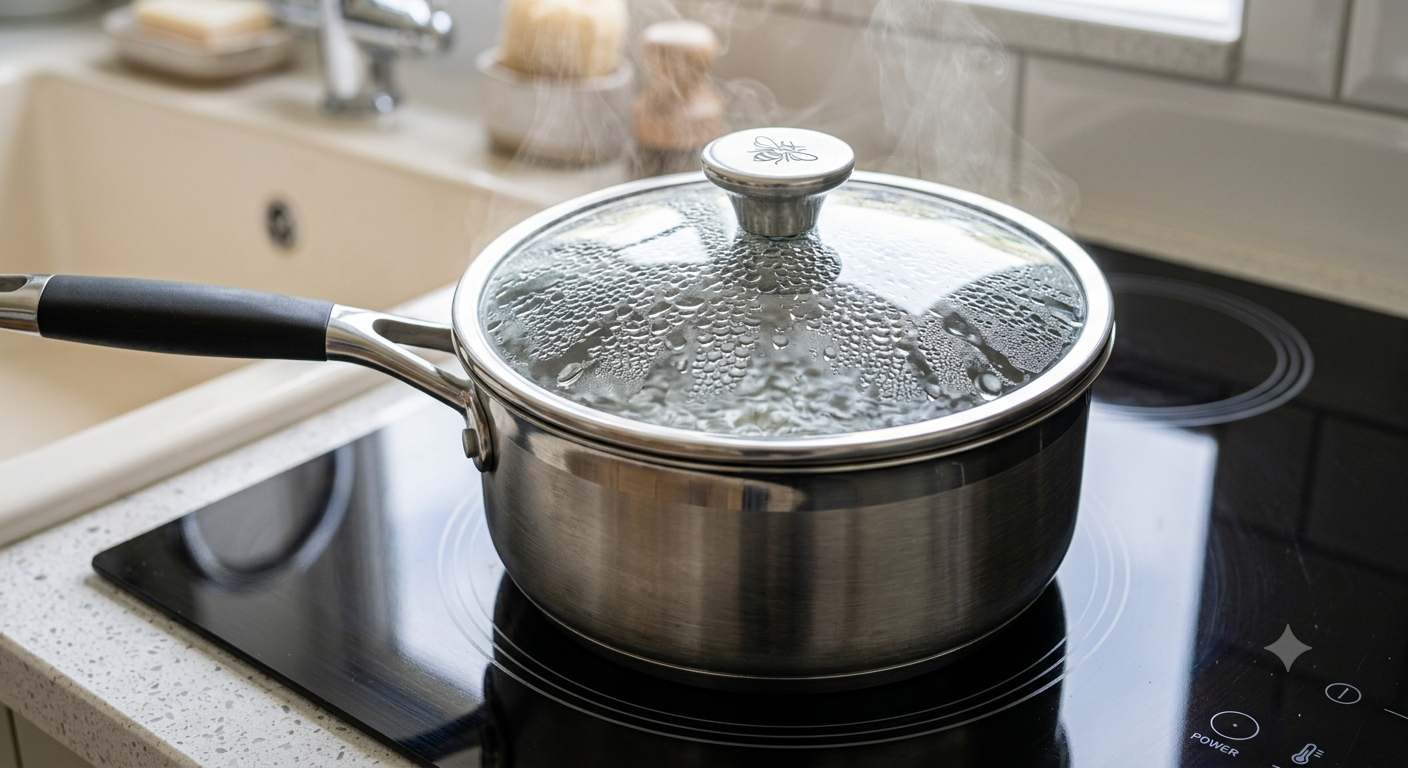
Leaving pots uncovered lets heat escape, forcing burners to work harder and longer. Using a tight-fitting glass lid retains moisture and accelerates boiling times significantly.
Smart Oven Practices
Avoid opening the oven door repeatedly to check food, as each peek causes an immediate temperature drop of 25°F to 50°F, requiring extra energy to reheat. Additionally, skip unnecessary oven preheating for dishes that bake for longer than 45 minutes.
Selecting Energy-Efficient Small Appliances
Alternative countertop appliances often cook food faster and consume a fraction of the electricity required by standard ranges.
Air Fryers and Convection Ovens
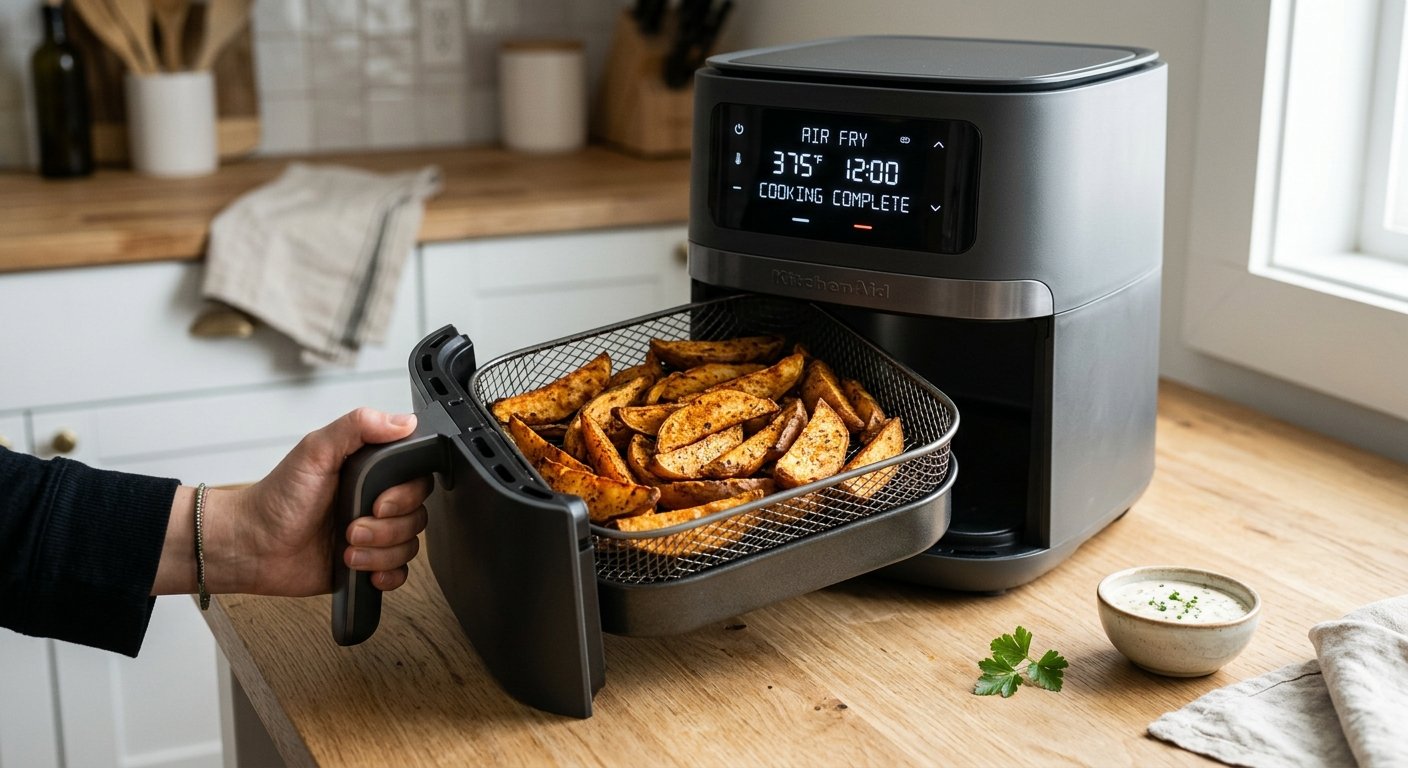
Because air fryers use rapid convection fan circulation to concentrate heat in a compact cavity, they cook meals up to 30% faster than conventional ovens while using significantly less electrical power.
Microwave Cooking Power
Microwaves heat water molecules inside food directly rather than warming the surrounding air or container, making them the most efficient option for reheating single portions or steaming vegetables.
Smart Meal Prep and Cooking Habits
Strategic planning in the kitchen helps minimize appliance runtime throughout the week.
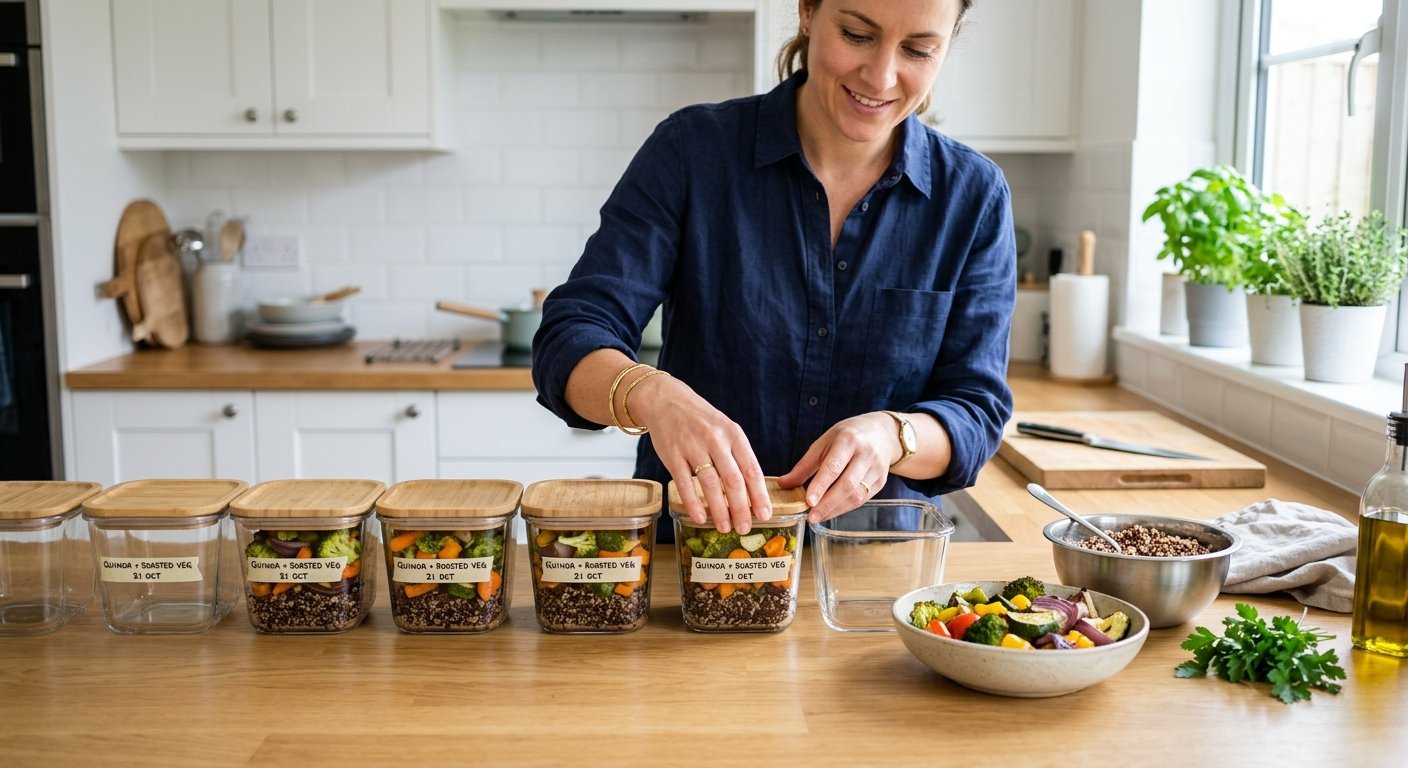
- Batch Cooking: Cook multiple meals or large portions simultaneously so you maximize the energy used to heat your oven or cooktop.
- Defrost in Advance: Thaw frozen meats and vegetables inside the refrigerator overnight instead of using the microwave defrost setting or running hot water over packaging.
- Keep Burners Clean: Scrub grease and food crust off gas burner grates and electric coils so heat transfers directly to cookware rather than burning off residual food debris.
Conclusion
Implementing effective energy saving kitchen cooking tips proves that small adjustments yield immediate savings on your utility bills. By matching pots to burners, leveraging appliance residual heat, and utilizing efficient countertop tools like air fryers, you can cut energy waste while maintaining a streamlined, modern kitchen.
Frequently Asked Questions
Do induction cooktops use less energy than traditional electric coils?
Yes. Induction cooktops transfer electromagnetic energy directly to iron-based cookware, wasting very little heat to the surrounding air and operating roughly 85% to 90% efficiently compared to traditional electric or gas burners.
Is it cheaper to cook with a microwave or a conventional oven?
Microwaves are substantially cheaper to run because they heat only the food directly and complete cooking tasks in a fraction of the time required by large conventional ovens.
Should I preheat my oven for every recipe?
No. Many catogories to add casseroles, roasts, and baked goods turn out just fine when placed into a cold oven and given a few extra minutes of total cooking time, saving the energy required for a 10-to-15-minute preheat cycle.
1 thought on “Energy-Saving: Energy Saving Kitchen Cooking Tips to Cut Utility Bills”