
Non-Stick vs. Stainless Steel for Beginners
Stepping into the world of home cooking is exciting, but it often starts with a daunting question at the cookware aisle: Non-Stick vs. Stainless Steel: Which is better for beginners? Your choice of material directly impacts your learning curve, the dishes you can master, and, ultimately, your confidence in the kitchen. Both pan types are essential in a pro’s arsenal, but their distinct technologies offer very different experiences.
The right answer isn’t necessarily which pan is “better,” but which one helps you build essential skills. This guide breaks down the core differences, helping you navigate this essential purchase with ease.
Key Takeaways
- Non-stick is user intent focused on immediate ease. It’s unrivaled for low-fat cooking of delicate foods and makes cleanup incredibly fast, perfect for busy beginners.
- Stainless steel prioritizes technique development and durability. Its superior heat retention and browning capabilities are essential for sears and pan sauces, building foundational skills.
- Maintenance differs significantly. Non-stick requires gentle care to protect its coating, while stainless steel is almost indestructible but needs proper heat and fat application to prevent sticking.
- The ideal hybrid approach is often a multi-clad stainless steel set for its longevity, supplemented by one or two high-quality non-stick skillets for eggs and pancakes.
Understanding the Contenders
What is Non-Stick Cookware?
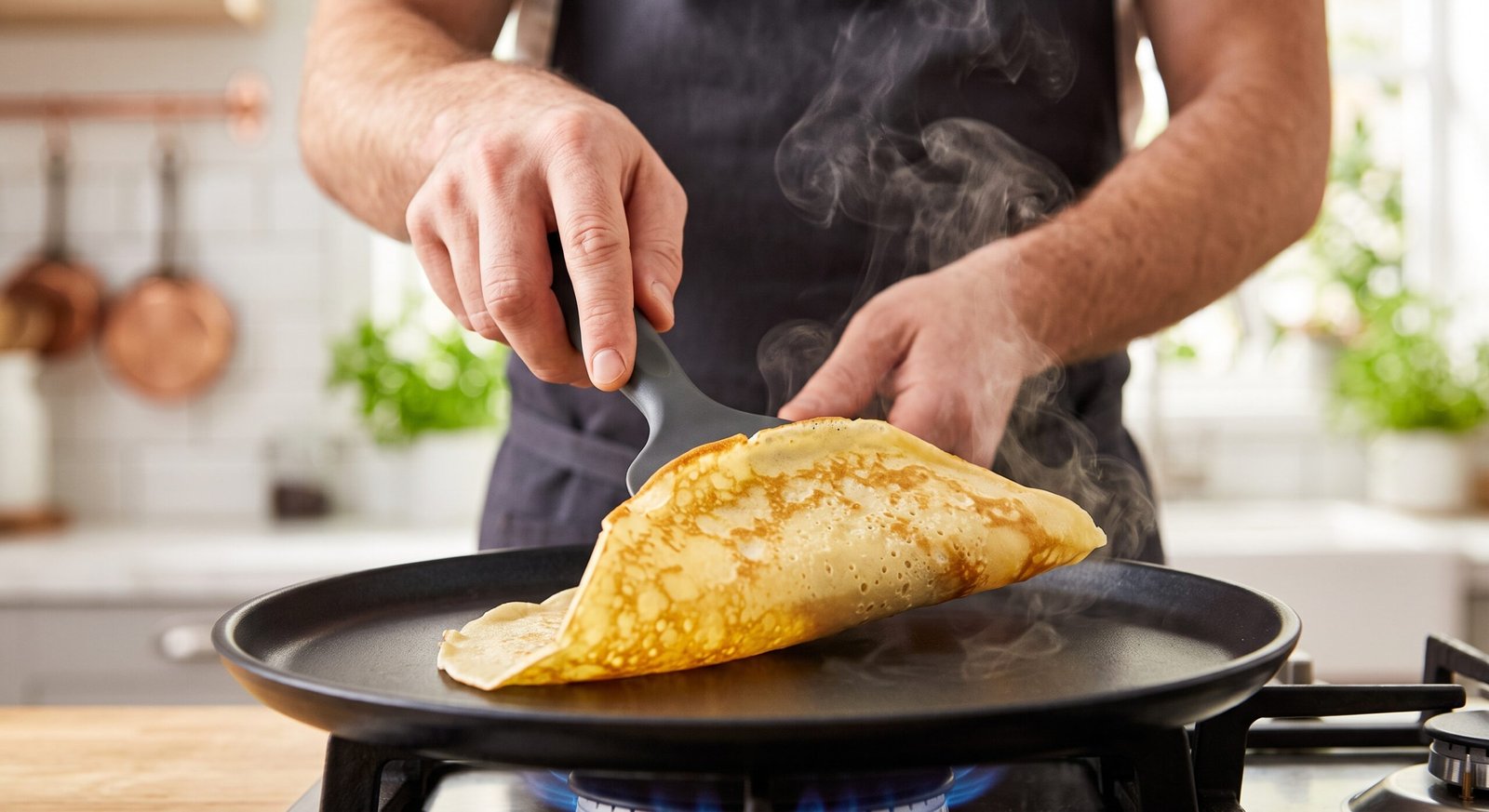
Non-stick pans, often made of aluminum coated with PTFE (commonly known as Teflon) or a ceramic glaze, are designed to create a surface where food slides right off. They revolutionize low-heat cooking, enabling delicate preparations like crepes and flaky fish with minimal added fat. Their heat response is generally very fast.
What is Stainless Steel Cookware?
Stainless steel cookware is lauded for its durability, even heating (especially in high-quality multi-clad constructions), and remarkable responsiveness to temperature changes. While it does not have an inherently smooth coating, its metallic surface, when used correctly with heat and oil, develops a natural anti-stick layer (known as the Leidenfrost effect) and is ideal for achieving the coveted Maillard reaction—the deep, flavorful browning essential for great meals.
The Case for Non-Stick: The Path of Least Resistance
If your primary goal as a beginner is to get a satisfying, low-stress meal on the table, non-stick is a fantastic starting point.
Pros for Beginners
- Intuitive Use: There is zero learning curve. Eggs won’t stick, pancakes slide, and even messy stir-fries are manageable.
- Healthy Cooking: You can cook with incredibly small amounts of oil or butter, perfect for health-conscious chefs.
- Effortless Cleanup: The primary advantage. A quick wipe with a soft sponge and warm soapy water is usually all that is required.
Cons for Beginners
- Fragile Surface: The coating is delicate. Using metal utensils or highly abrasive cleaners will scratch it, ruining the non-stick property and potentially creating health concerns if the base aluminum is exposed.
- Limited Heat: Non-stick should never be used on high heat, limiting its use for sears and high-temperature roasting. High heat also degrades the coating.
- Finite Lifespan: Even with meticulous care, the coating will eventually wear out. A good non-stick pan might only last 3 to 5 years, making it a recurring investment.
The Case for Stainless Steel: Skill Building and Lifetime Investment
Stainless steel demands more initial attention, but its long-term benefits in technique development are unparalleled.
Pros for Beginners
- Unmatched Browning (Maillard Reaction): If you want to achieve restaurant-quality crusts on steaks, pork chops, or even caramelized vegetables, stainless steel is non-negotiable. Its even heat distribution and retention facilitate deep flavor development.
- Extreme Durability: You can use metal whisks, scrapers, and high-heat cooking methods. If food burns onto the surface, you can aggressively scrub it. Properly cared for, a quality stainless steel pan (especially an 18/10 grade) will last decades or even be passed down to the next generation.
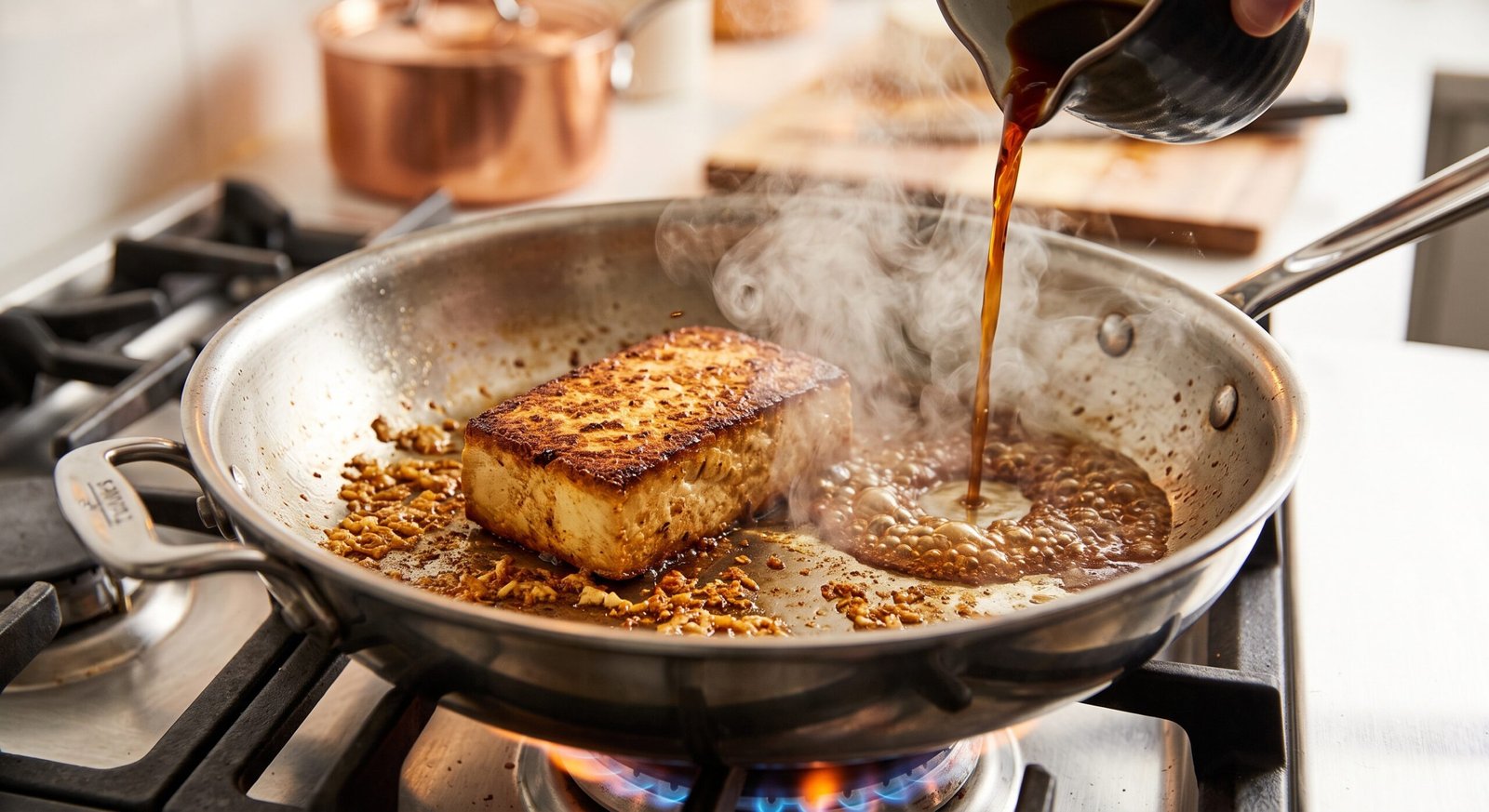
- Pan Sauces (Fond): Stainless steel is designed to let protein stick slightly initially, leaving behind delicious caramelized bits known as fond. Deglazing the pan with wine or stock instantly lifts this flavor, creating complex and professional pan sauces.
Cons for Beginners
- Learning Stick Control: Until you master the “water drop test” (ensuring the pan is hot enough before adding fat) and understand patience (the protein will release when it’s done searing), you will experience frustration with food sticking and burning.
- Heavier Weight: Quality multi-clad construction adds substantial weight, which can be tiring for some cooks when maneuvering the pan.
- Cleanup Challenge: While durable, burnt food requires extra effort. You might need specialized cleaners (like Bar Keepers Friend) or techniques like boiling baking soda to restore its mirror finish.
How to Choose: Practical Scenarios
The ideal decision hinges on the types of food you plan to cook and your tolerance for maintenance.
Choose Non-Stick If:
- You cook delicate items like eggs, crepes, fish, or soft cheeses daily.
- You are focused on making simple, fast meals with minimal added fat.
- Fast and stress-free cleanup is a top priority.
- You are supplementing an existing stainless steel set.
- You are a beginner on a strict budget and need one pan now that works instantly.
Choose Stainless Steel If:
- You are serious about developing essential cooking techniques, especially searing, deglazing, and creating complex sauces.
- You want to buy one pan once and never think about replacing it.
- You plan on cooking meat, poultry, and high-heat stir-fries frequently.
- You enjoy the flavor complexity that fond and deglazing bring to a dish.
- You value a material that can withstand high temperatures without degradation.
Long-Term Planning and Maintenance
The biggest mistake is thinking you must pick one forever. In a well-appointed kitchen, these pans complement each other perfectly.
A Hybrid Approach (The Expert Recommendation)
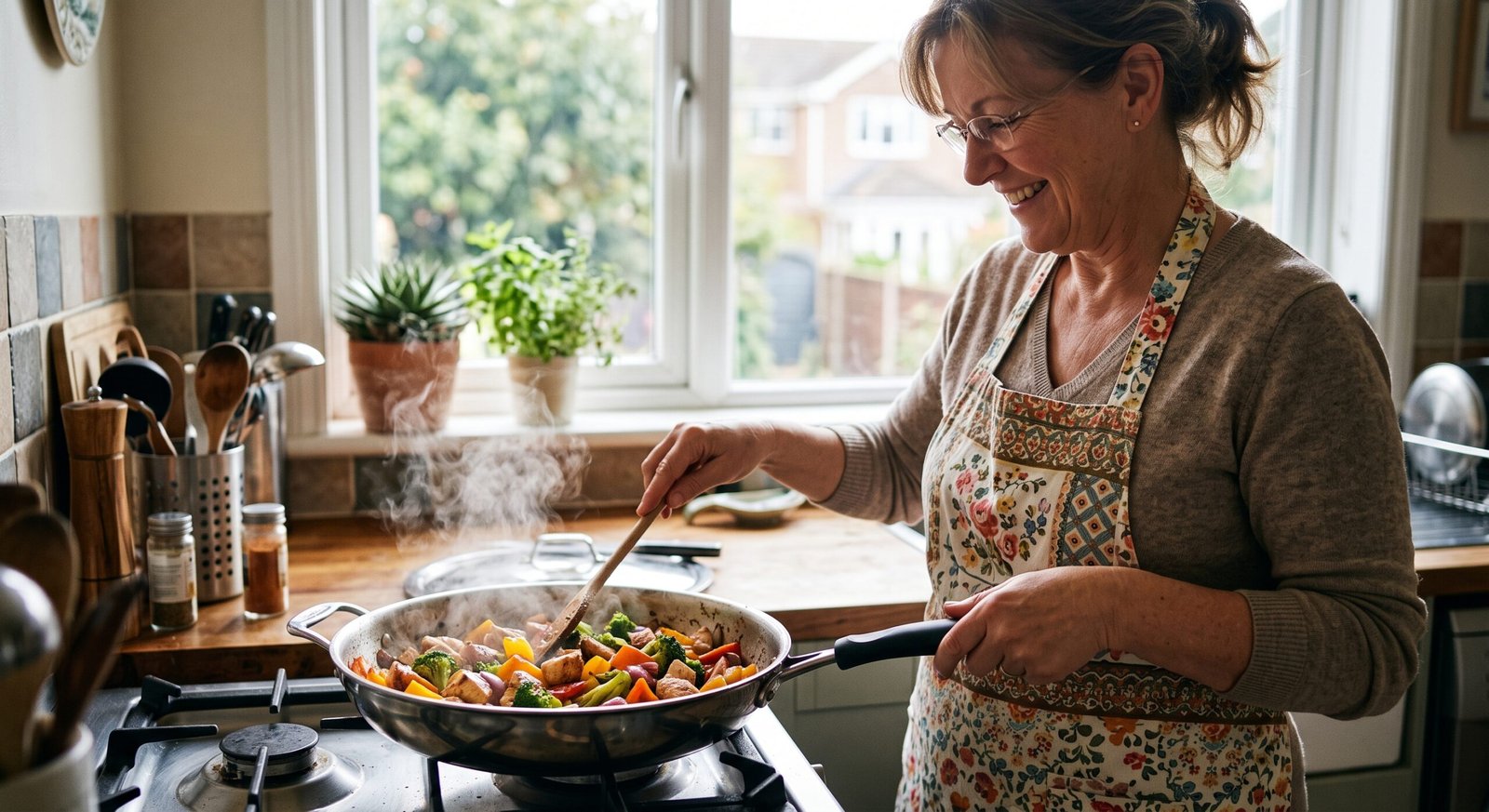
For most home cooks, the most functional and budget-conscious path is to purchase a high-quality, multi-clad stainless steel cookware set as your long-term foundation. Complement this core set with one or two dedicated, high-performance non-stick skillets specifically for delicate foods.
- For Stainless Steel: Focus your budget on a 3-ply or 5-ply pan, where aluminum layers are sandwiched between stainless steel for even, responsive heating. Learn the correct preheating process (pan must sizzle with tiny water beads that dance, but not evaporate instantly, known as the Leidenfrost effect). After cooling, use warm, soapy water. For tough stains, deglaze first, or use a specialized paste like Bar Keepers Friend.
- For Non-Stick: A quality non-stick pan should have a multi-layer coating. Only use silicone, nylon, or wooden utensils. Hand-wash only with a soft cloth. Stack with protectors or paper towels between pans to avoid scratches. Never use high heat.
Conclusion: Start with the Skill You Want to Learn
When deciding between Non-Stick vs. Stainless Steel for beginners, remember there is no wrong choice, only a strategic first step. If your primary goal is low-stress, efficient meals right now, start with a quality non-stick pan. If you are passionate about technique development and long-term durability, make the commitment to stainless steel.
Whichever you choose, the key is to learn its unique properties and build your kitchen confidence one meal at a time. The right pan is the one that gets you excited to cook.
Frequently Asked Questions
Is ceramic non-stick better than Teflon for beginners?
Both ceramic and PTFE (Teflon) offer excellent non-stick properties when new. Ceramic is generally considered more environmentally friendly during manufacturing and can withstand higher heats, but its non-stick effectiveness typically wears out faster than traditional Teflon coatings. For beginners, either is suitable, but understand that ceramic requires the same gentle utensil use.
Can I sears a steak in a non-stick pan?
Yes, but it won’t be a great sear. You must keep the heat below medium to protect the pan’s coating, which is insufficient for the Maillard reaction. Stainless steel is much better for a deep, flavorful crust.
Why is my food sticking to my stainless steel pan even with oil?
The most common reasons are using too little fat, not preheating the pan enough (test with a dancing water droplet), or overcrowding the pan, which lowers the temperature too fast. Patience is key—protein will often release on its own once seared.
What are the main healthy cooking advantages of non-stick?
Non-stick’s primary healthy cooking advantage is the ability to cook with little to no added oil or butter, facilitating low-fat meal preparation. However, it cannot be used for high-heat techniques which also help retain nutrients.
Pingback: How to remove rust from carbon steel wok