
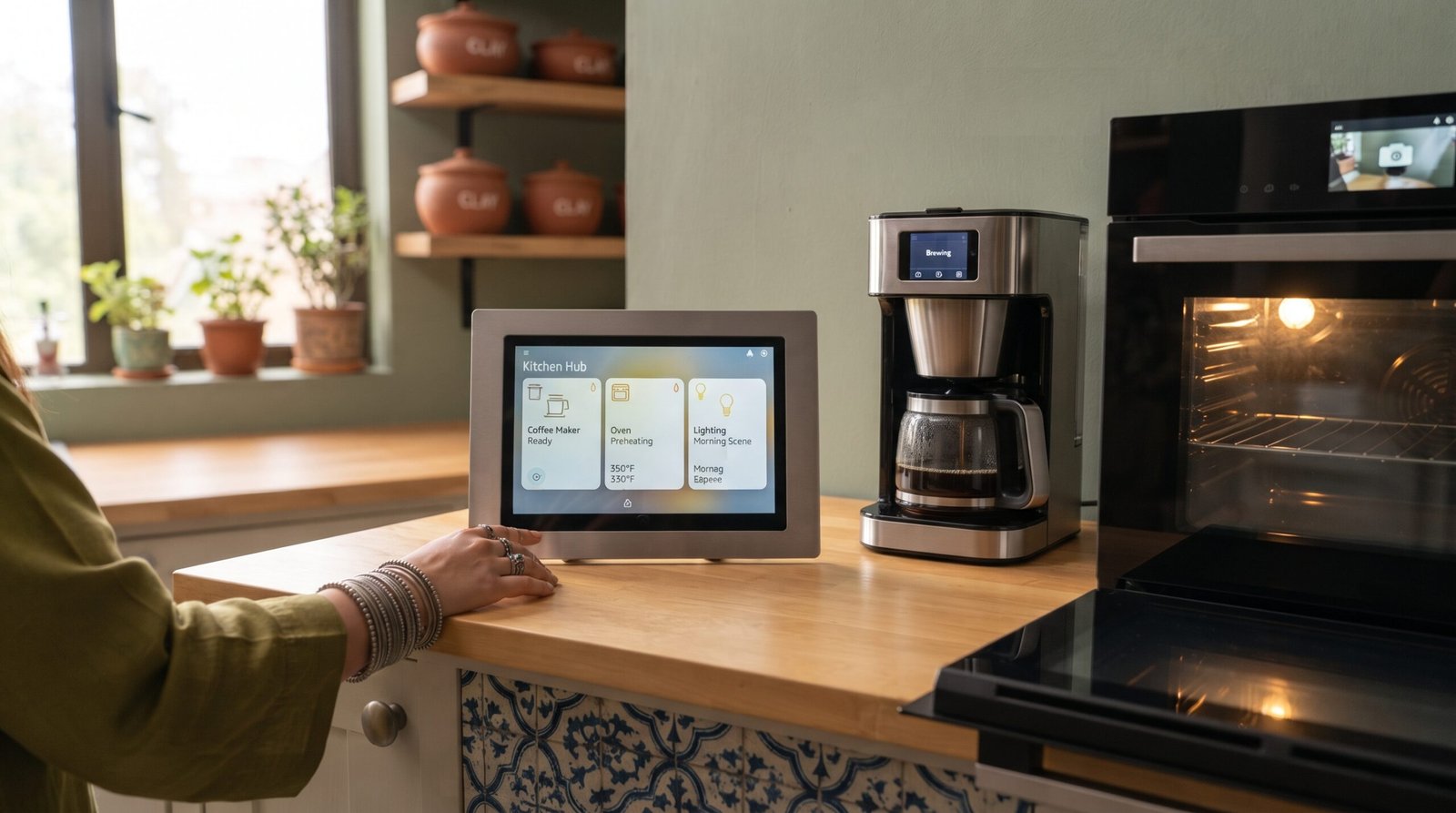
Transforming a traditional food preparation space into a connected culinary hub requires more than just voice-activated assistant speakers. Implementing smart kitchen automation ideas helps you orchestrate your cooking appliances, lighting, and inventory tracking seamlessly, saving valuable time and reducing daily friction.
Understanding how connected ecosystems communicate through IoT protocols changes how you approach efficiency, meal timing, and energy management.
Key Takeaways
- Automate Appliance Preheating: Sync your smart oven or air fryer with voice routines so it reaches cooking temperature before you even step into the kitchen.
- Smart Lighting Scenes: Program motion-activated under-cabinet lighting that shifts from bright task lighting to warm ambient glow depending on the time of day.
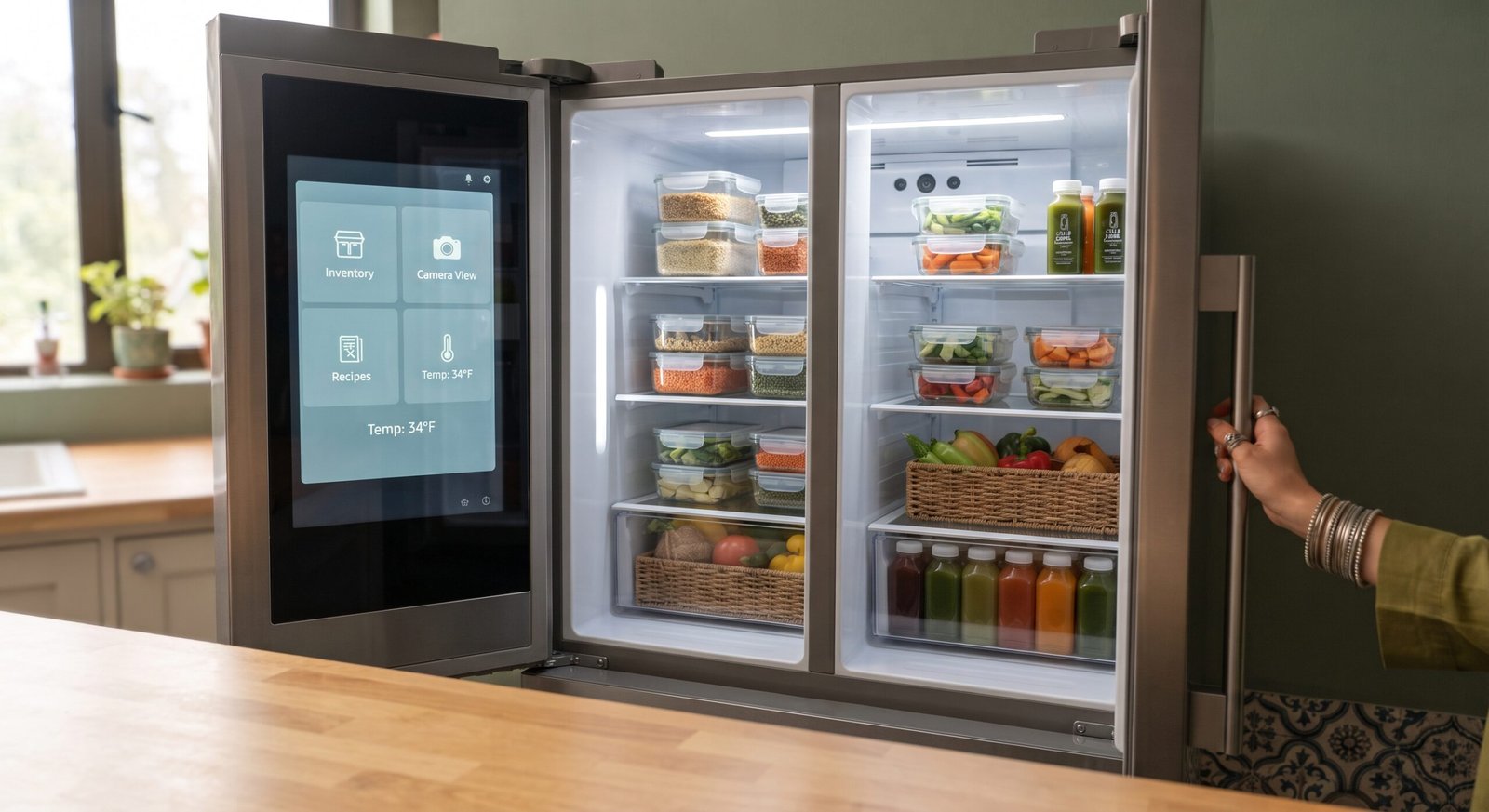
- Inventory Tracking Systems: Utilize smart refrigerators or pantry barcode scanners to monitor expiration dates and generate automated grocery lists.
- Energy Monitoring Integration: Schedule high-wattage kitchen appliances to run during off-peak hours to reduce household electricity expenses.
Integrating Smart Appliances into Your Workflow
Maximizing efficiency across your culinary space relies on connecting individual cooking devices into a unified smart home network.
Connected Cooking Ecosystems
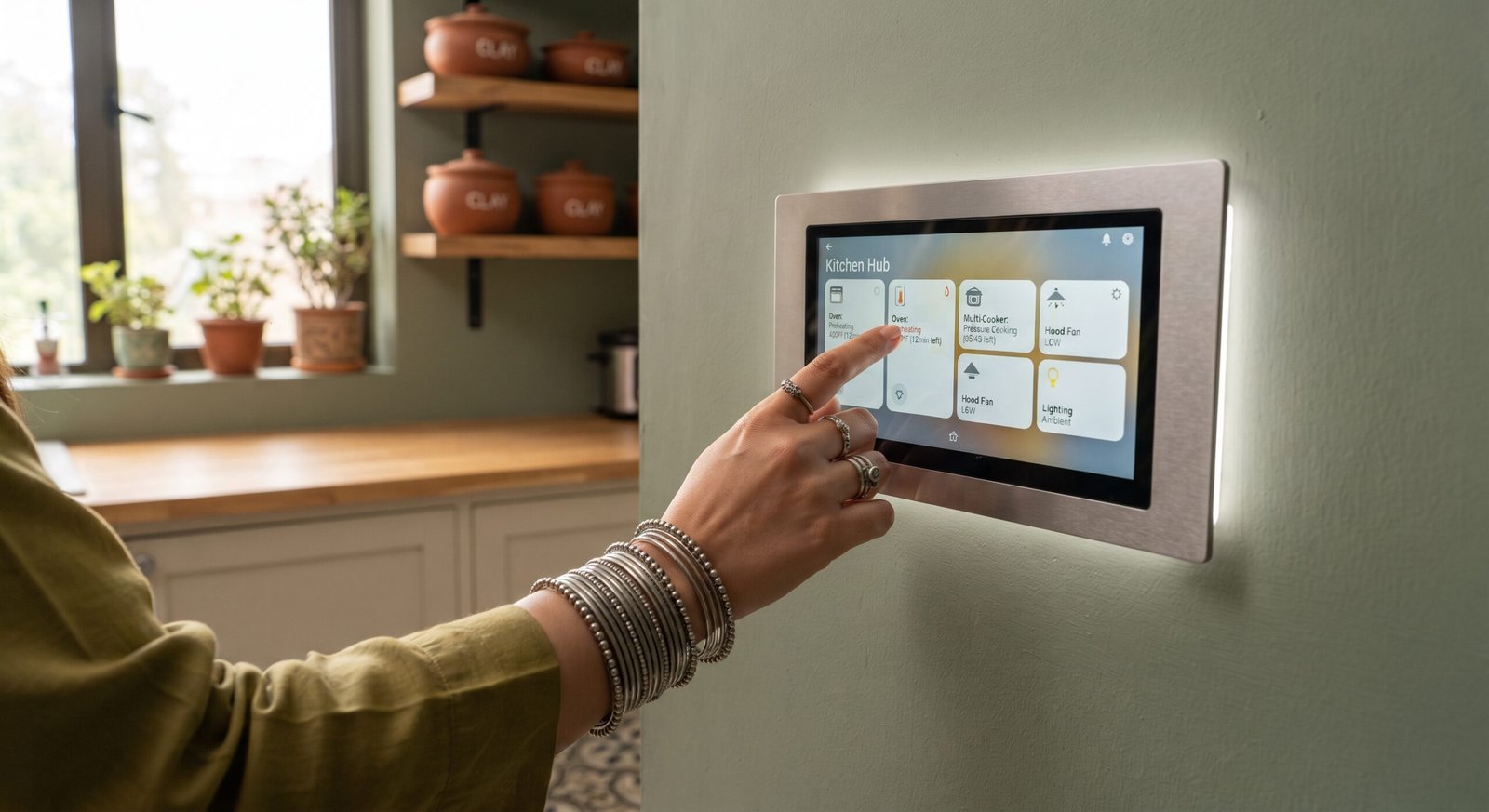
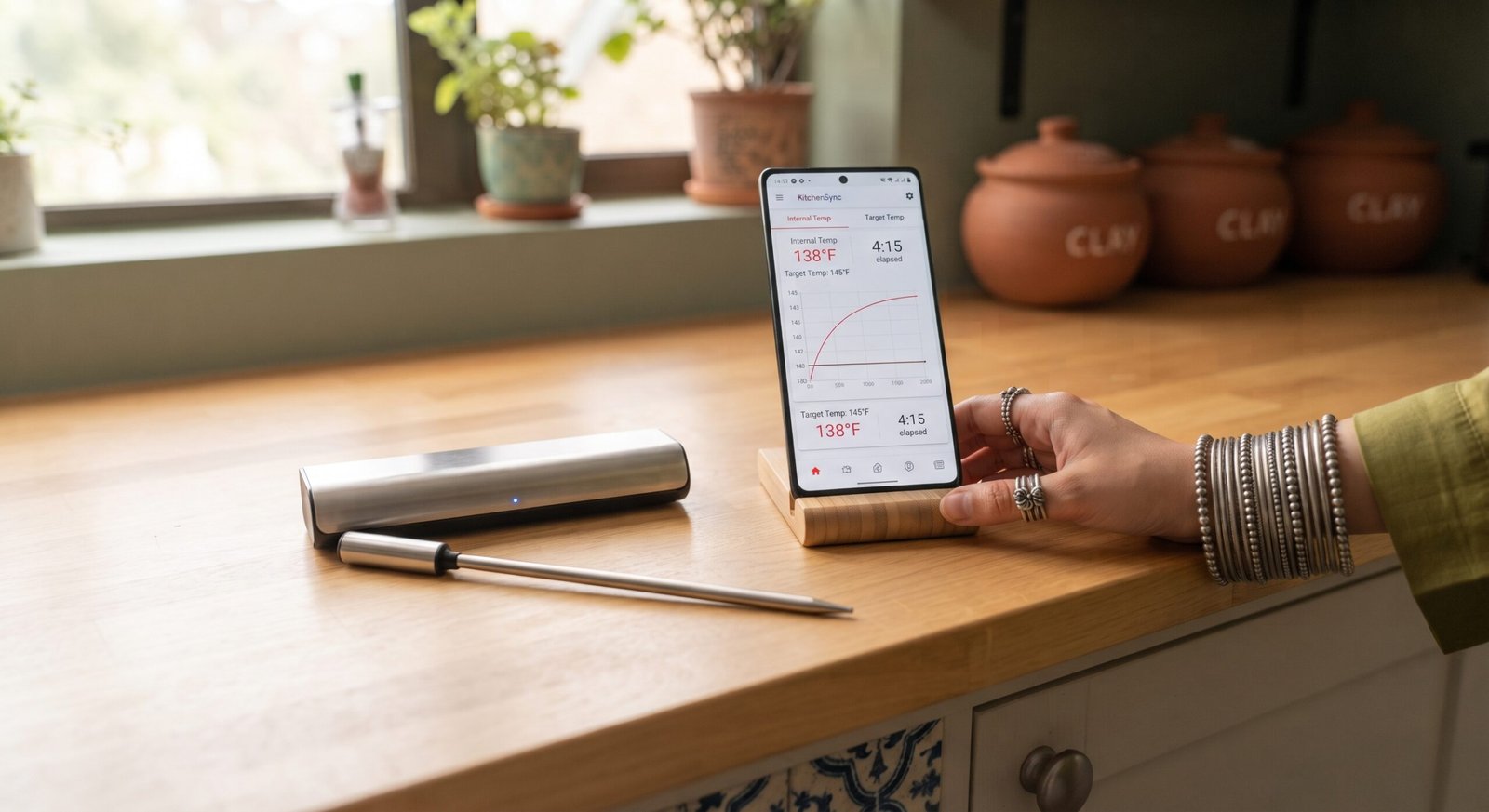
Modern multi-cookers, ovens, and refrigerators equipped with Wi-Fi connectivity allow you to monitor internal temperatures, adjust cooking timers, and receive push notifications directly on your smartphone. This remote oversight ensures proteins never overcook while you attend to other household tasks.
Voice-Activated Multi-Tasking
Linking your countertop appliances to smart voice assistants enables hands-free command execution, letting you set timers, check recipe conversions, and adjust burner heat levels while your hands are busy chopping or mixing.
Smart Inventory and Waste Reduction Routines
Leveraging automation for grocery management prevents food spoilage and simplifies weekly meal planning.
Automated Pantry and Fridge Inventory
Smart refrigerators featuring internal cameras and AI-powered image recognition track missing items and fresh produce freshness. When paired with smart shopping apps, these systems instantly update your grocery list when staple ingredients run low.
Smart Scale and Recipe Syncing
Digital kitchen scales integrated with recipe applications automatically weigh ingredients as you add them, adjusting ingredient proportions dynamically if you want to scale a recipe up or down.
Pro Strategies for Successful Kitchen Automation
Applying these expert configuration tips ensures your connected devices operate reliably without unnecessary disruptions.
- Secure Your Wi-Fi Network: Assign smart kitchen gadgets to a dedicated guest network to protect your primary home computers and personal data from vulnerabilities.
- Establish Routine Triggers: Program geofencing rules so that smart lighting and exhaust ventilation systems activate automatically when you cross your kitchen threshold.
- Regular Firmware Updates: Keep your appliance software current to patch security vulnerabilities and gain access to newly released cooking preset algorithms.
Conclusion
Embracing smart kitchen automation ideas elevates your culinary space into an efficient, responsive environment. By integrating connected appliances, automated inventory tracking, and smart routines, you can reclaim valuable time and enjoy a streamlined cooking experience every day.
Frequently Asked Questions
Are smart kitchen appliances difficult to set up?
Most modern smart appliances feature companion mobile apps with step-by-step Bluetooth and Wi-Fi pairing instructions, making installation straightforward for most users.
Do smart kitchen appliances save electricity?
Yes. Many smart appliances feature energy-monitoring tools and optimization settings that help you track power consumption and run heavy loads during off-peak hours.
Can smart ovens be operated completely remotely?
While you can monitor temperatures, start preheating routines, and adjust timers remotely, most safety standards require manual confirmation or physical food placement before active high-heat cooking cycles begin.
Transforming your kitchen with smart home technology saves time, reduces food waste, and elevates your daily cooking routine. By integrating connected multi-cookers, Wi-Fi-enabled refrigerators, and voice-activated assistants, you can automate appliance preheating and monitor internal temperatures remotely.
Key strategies include setting up dedicated guest networks for cybersecurity, programming geofencing routines for lighting and ventilation, and utilizing automated inventory tracking. Ultimately, these smart kitchen upgrades streamline meal preparation, enhance energy efficiency, and remove everyday culinary friction.