
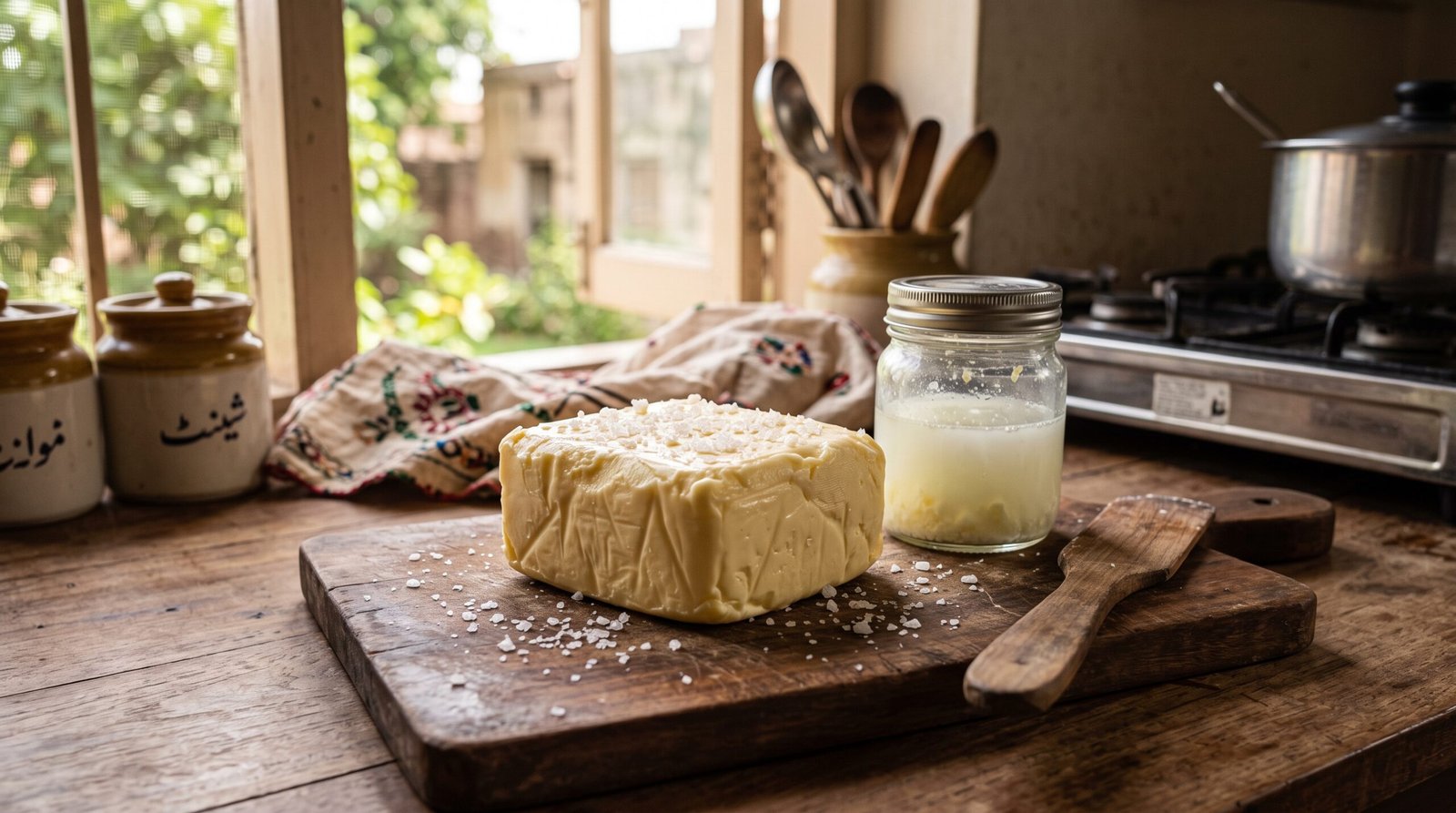
DIY Staples: How to Make Fresh Butter at Home in 10 Minutes
substitute eggs in baking
There is nothing quite like the rich, creamy flavor of homemade butter spread over a warm slice of bread. While store-bought butter is convenient, learning how to make fresh butter at home gives you total control over ingredients, flavor, and salt levels. Best of all, it takes just one ingredient and ten minutes of effort using a standard kitchen mixer or food processor.
By agitating heavy whipping cream, you separate fat solids (butterfat) from liquid (buttermilk). The result is a vibrant, additive-free staple that elevates everyday meals while yielding a bonus container of real buttermilk for baking.
Key Takeaways
- Single Core Ingredient: All you need is high-fat heavy whipping cream or heavy cream (minimum 36% fat content).
- The 10-Minute Transformation: Agitating cream moves it through whipped cream and stiff peak stages until it separates into solid butter and buttermilk.
- Washing is Crucial: Rinsing residual buttermilk out with ice water prevents your homemade butter from spoiling prematurely.
- Bonus Buttermilk: The leftover liquid is true cultured-style buttermilk, perfect for pancakes, biscuits, and marinades.
The Science of Butter Making: From Cream to Fat Solids
Butter is created through the physical process of churning or agitating cream. Heavy cream is an emulsion of milkfat globules suspended in water.
When you whip heavy cream rapidly, you incorporate air to make whipped cream. If you continue whipping past stiff peaks, the fat membranes break down. The exposed fat molecules collide, clump together, and isolate themselves from the liquid, yielding two distinct products: solid butterfat and liquid buttermilk.
What You Need to Make Homemade Butter
To achieve a rich yield in under ten minutes, gather these simple tools and ingredients:
- Heavy Whipping Cream: 2 cups (1 pint) chilled heavy cream (preferably non-ultra-pasteurized for better yield and flavor).
- Salt (Optional): 1/4 teaspoon of fine sea salt or flaky salt if making salted butter.
- Equipment: Stand mixer with a whisk/paddle attachment, food processor, or strong hand mixer.
- Ice Water: A bowl of ice cold water to wash the butter.
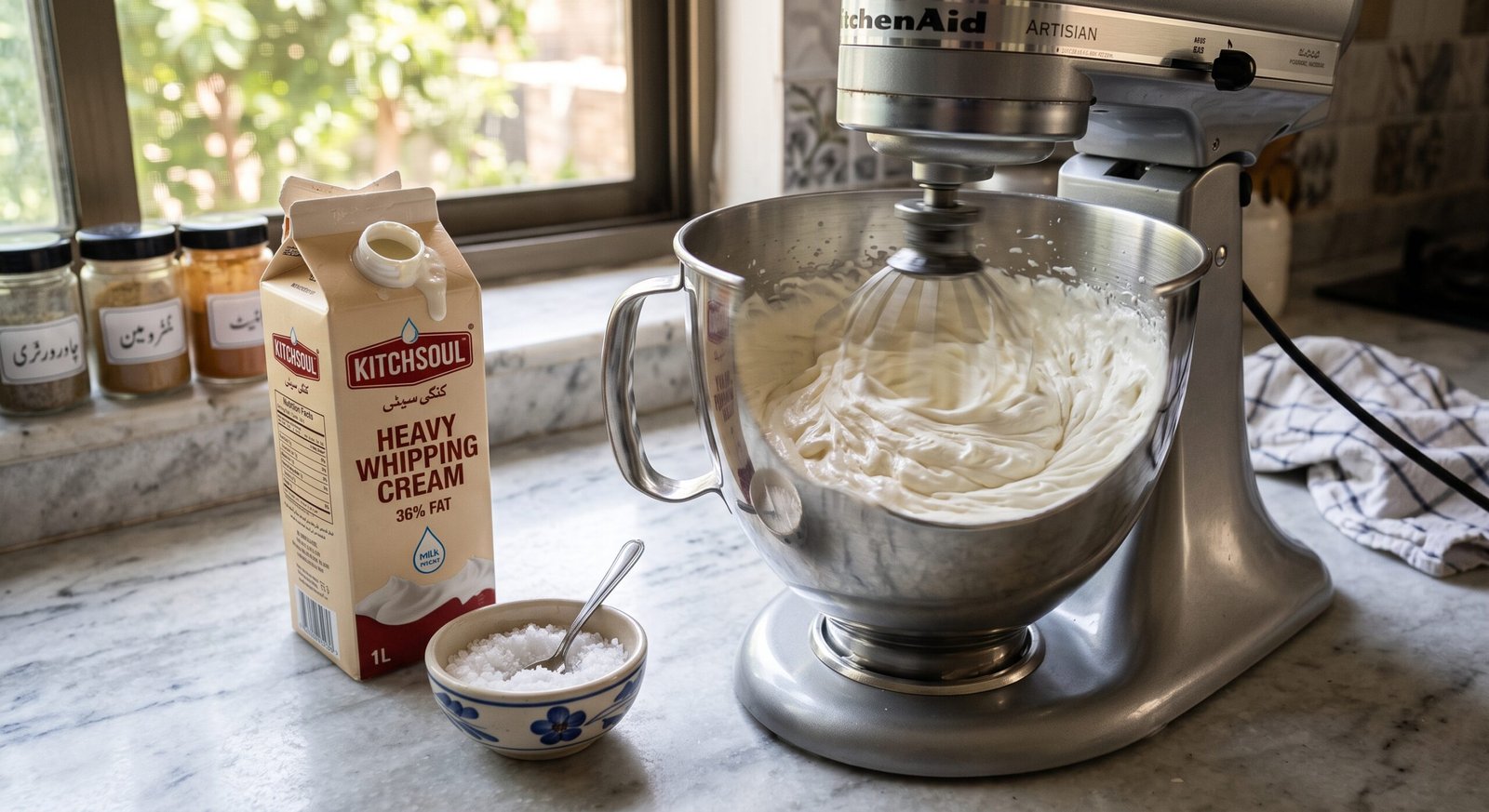
Step-by-Step Guide: How to Make Fresh Butter at Home in 10 Minutes
Step 1: Whip Past Stiff Peaks
substitute eggs in baking
Pour chilled heavy whipping cream into your stand mixer or food processor bowl. Turn the mixer to medium-high speed. The cream will go from soft peaks to stiff whipped cream within 3 to 5 minutes.
Step 2: Separate the Solids from Liquid
Keep mixing past the whipped cream stage. Around the 6-to-8-minute mark, the cream will look yellow, grainy, and broken. Suddenly, liquid will splash out as solid butter clumps around your whisk. Turn the mixer down to low speed immediately to avoid splashing.
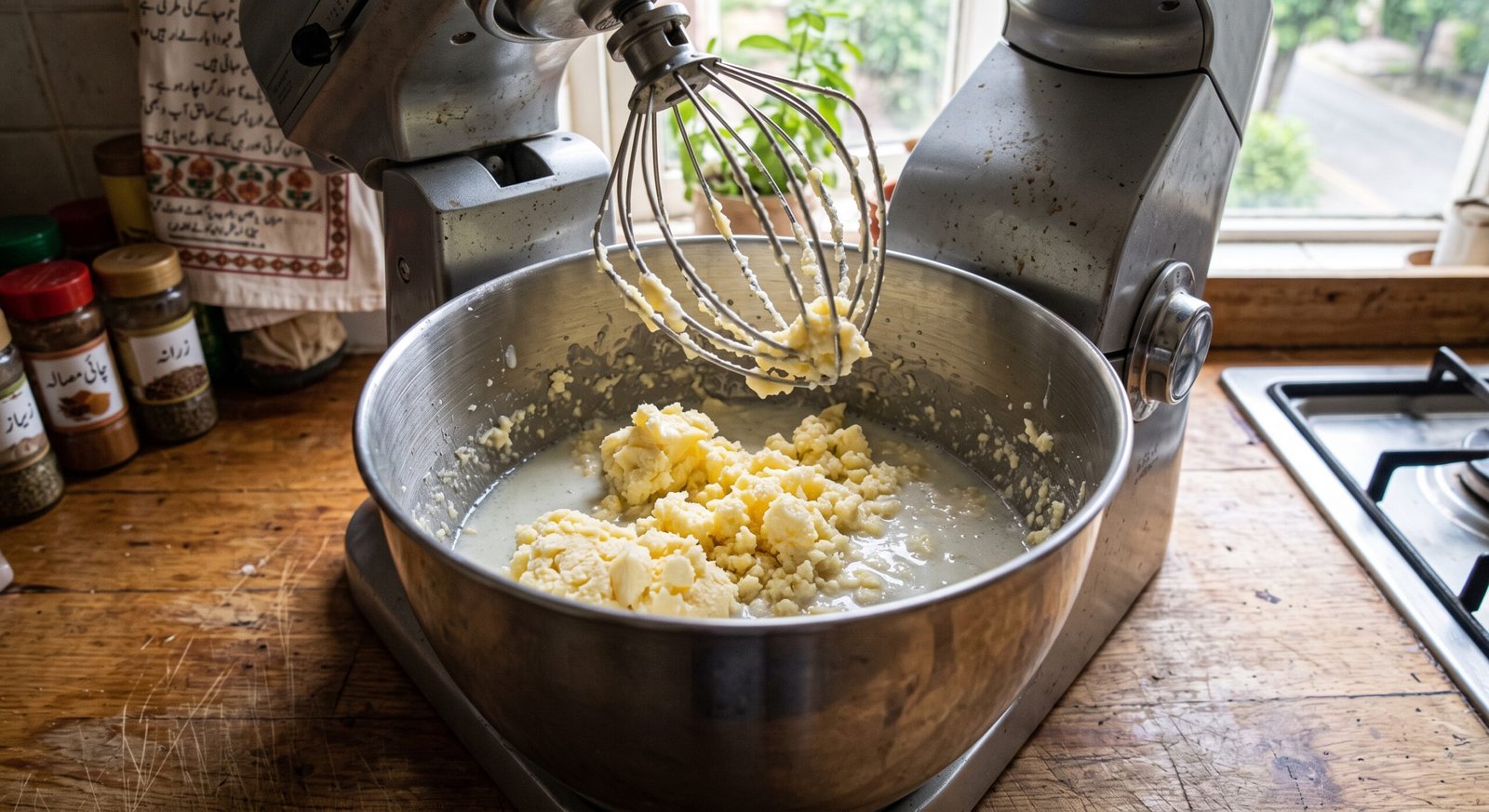
Step 3: Strain the Buttermilk
Pour the contents of the bowl through a fine-mesh strainer lined with cheesecloth or a clean tea towel. Save the strained liquid in a glass jar—this is fresh buttermilk!
Step 4: Wash the Butter in Ice Water
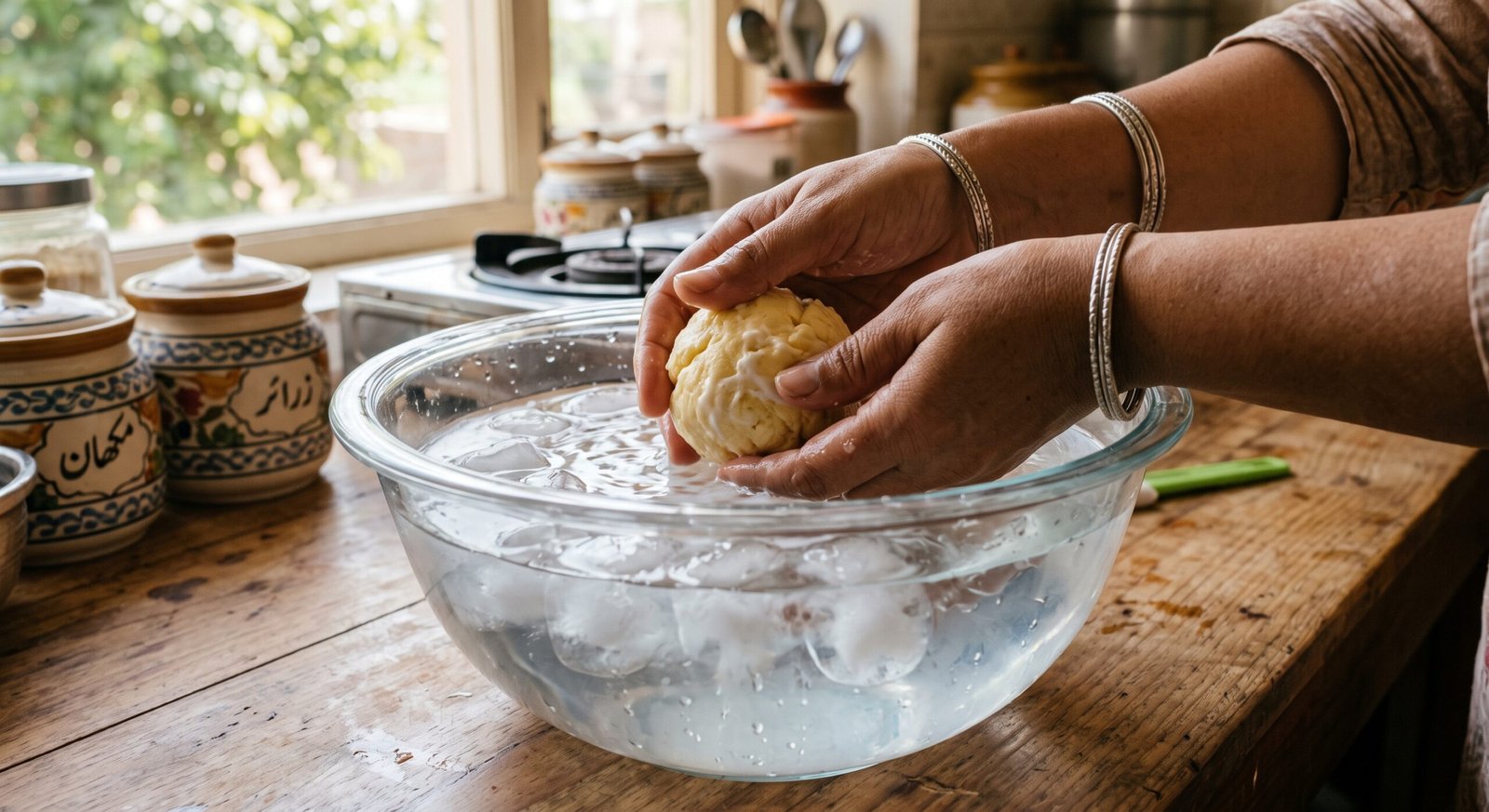
Place the clumped butter into a bowl filled with ice water. Squeeze and knead the butter gently with your hands or wooden paddles. The water will turn cloudy as residual buttermilk releases. Drain, add fresh ice water, and repeat 2–3 times until the water remains completely clear.
Pro Tip: Washing out every trace of liquid buttermilk is the secret to extending your butter’s shelf life from 3 days to over 2 weeks.
Storing & Flavoring Your Fresh Butter
Once washed, pat the butter dry with paper towels. Knead in fine sea salt if desired, or experiment with custom compound flavor additions:
- Garlic Herb: Minced garlic, fresh parsley, and cracked black pepper.
- Honey Cinnamon: Raw honey, ground cinnamon, and a pinch of salt for morning toast.
- Smoked Paprika & Chive: Perfect for topping grilled steaks or roasted corn.
Store fresh butter in an airtight glass container in the refrigerator for up to 2 weeks, or freeze for up to 6 months.
.
Frequently Asked Questions
Why did my homemade butter spoil so quickly?
If your butter turns sour after a few days, it wasn’t washed thoroughly. Any buttermilk trapped inside the fat will ferment quickly at room temperature or in the fridge. Rinse the butter in ice water until the water runs completely clear.
Can I use ultra-pasteurized cream to make fresh butter at home?
Yes, ultra-pasteurized heavy cream works, but it takes slightly longer to separate and yields a slightly lower volume of butterfat than pasteurized or raw cream.
How much butter does 1 pint (2 cups) of heavy cream yield?
Two cups of heavy whipping cream yields approximately 1/2 cup (1 stick or 115g) of fresh butter and roughly 1 cup of fresh buttermilk.
One Comment